Dying Matters Awareness Week is currently running from 4th – 10th May. This year, the theme is ‘Let’s Talk about Death and Dying’.
This week we’re focusing on the importance of conversations around death and dying and how to start them, as well as sharing our top tips on how to prepare for the end-of-life.
Katy, Welfare Benefits Advisor, sits within our Welfare and Benefits team – they exist to ease money worries with practical advice and guidance, but most importantly, to listen and to reassure.
Katy says: “Conversations can be difficult – however from my own personal experience, navigating forms and telephone calls in the midst of grief is even harder. In my role, I try as sensitively as possible to have a conversation, as I feel if we don’t try and be open about death and dying, the person won’t be fully informed.
“I have never had anyone say, ‘don’t tell me that’ – it’s more a sense of relief that they either know what to do or have peace of mind that their spouse, partner, or children will be taken care of in the event of their death.”
When appropriate, and if the patient, spouse or carer is open to discussion, the team discuss the following to support with future planning:
• Tell Us Once service – this is a government service that helps you let most government departments and local councils know when someone dies. They will help you contact: HMRC, DWP, Passport Office, DVLA etc.
• The Welfare and Benefits team can discuss whether it may be possible to claim private and/or occupational pensions and/or life insurances early as a lump sum under critical illness. They can’t make or approve these claims, but they can help by providing medical reports to support them.
• They can also support you in accessing Bereavement Support Payment after a partner’s death and a Funeral Expenses payment, if applicable.
• Where relevant, talk through options for changing which parent Child Benefit is paid to, and how household bills could be adjusted to help with the transition.
• Signposting to relevant services, including the Department for Work and Pensions bereavement helpline.
Katy continues: “It is also worth if people are still employed, but off on long term sick, checking if there is a death in service scheme with their employer and if their beneficiary is up to date.
“As well as a Will, it may also be useful for people to consider their digital legacies – who can access their Facebook photos and posts for example.”
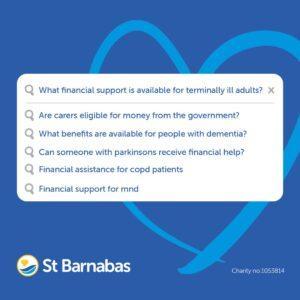 Our Welfare and Benefits team support approximately 350 patients and their families each month with practical and financial help. The team continue to support the spouse or carer up to six months after the patient’s death.
Heartbreakingly, one of the first things people worry about after a diagnosis is their financial security. That’s why our team are here, to advise on everything from benefits and energy bills to funeral planning and signposting for will writing.
The team takes a whole-family approach, supporting the spouse and carer of the patient to ease financial pressure. It makes the world of difference to people during an already emotional time.
To access this service, you must be registered to a Lincolnshire GP and have a life-limiting illness which includes conditions such as dementia, Parkinson’s, heart failure, motor neurone disease, COPD, and many other non-cancer conditions, as well as many cancer diagnoses, including those where treatment is continuing but is not expected to cure the illness.