Dying Matters Awareness Week is currently underway from 4th – 10th May. This annual campaign encourages people to have conversations about death and dying, with the aim of removing the taboo around end-of-life discussions.
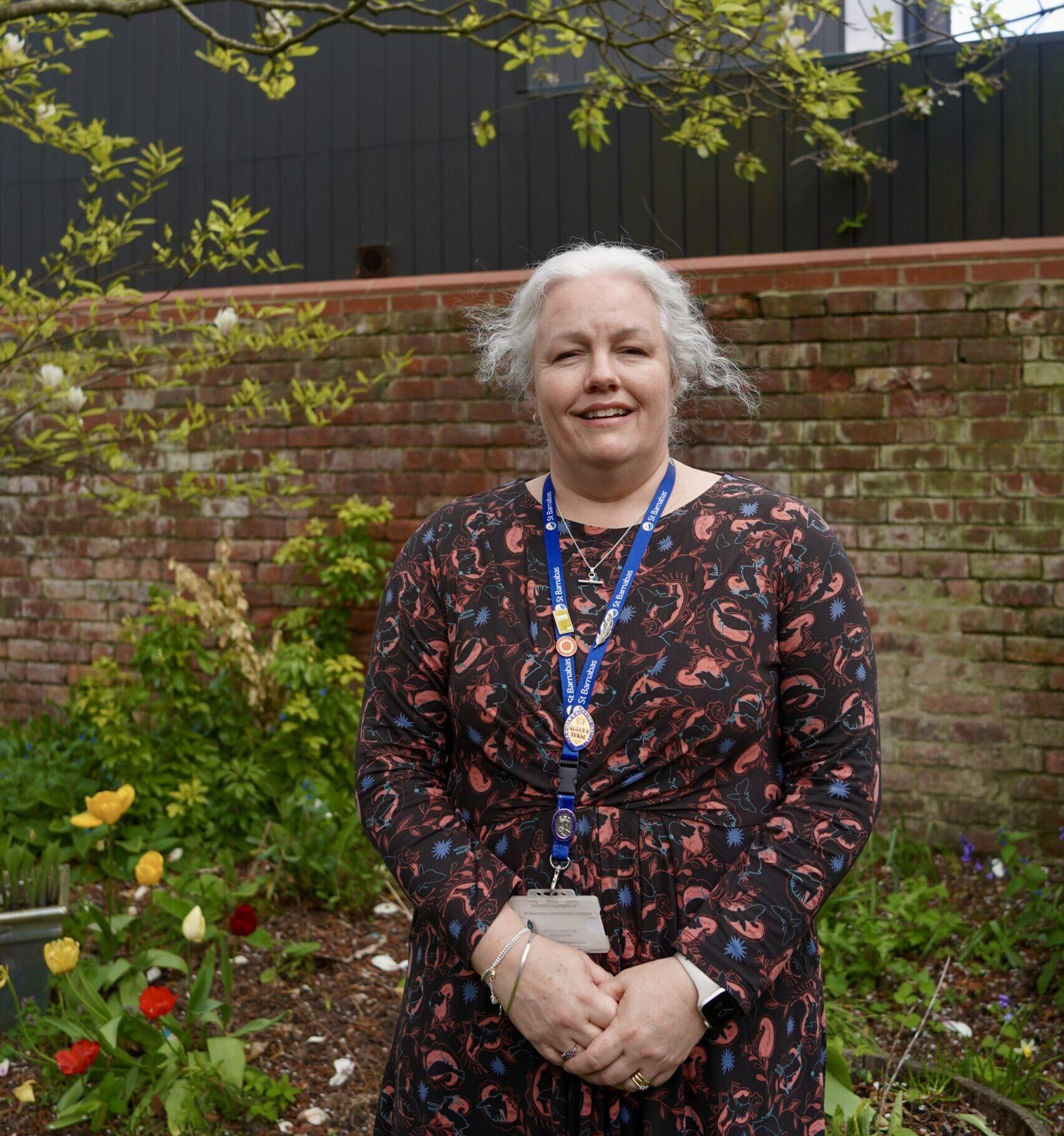
To help start the conversation, St Barnabas’ Director of Patient Care, Becky Franks, answers important questions on this year’s theme of ‘Let’s Talk about Death and Dying’.
-
Why is it important to recognise national weeks like ‘Dying Matters’ Awareness Week?
Having a national week that concentrates people’s efforts in doing events and raising awareness, gives it much more power than little bits and pieces on their own. We should be talking about death and dying all the time, but this week amplifies the message.
- Why do people often find it difficult to talk about death and dying?
It’s the fear of the unknown and the uncertainty. Although the only certainty we have in life is that we will die. It’s the emotion that it brings because it is so final and nobody can tell us what it’s going to be like.
I think as a nation we can find it difficult to talk about anything emotional. We don’t want to upset anybody, including ourselves. And we don’t want to fear that we’re bringing it on by talking about it.
It could happen at any time, so knowing the people in your life and their wishes is going to be extremely helpful for the future.
- What are some simple ways people can start conversations around death and dying?
 One of my most effective ways, is when it’s in the abstract. So, talking about something you’ve seen on the television or in the press, and saying, ‘that’s unusual, would you like something like that?’.
Talking about special items for people can help too. When you’ve gone, who do you want to have that item that means the most to you. Or when you’ve moved to a care home or another place of care, would you want something taking with you. For example, I have a painting that I know I want to be able to see. It means a lot to me.
Another way is, if you go to a funeral and you think ‘I really like the reading, that piece of music’. Equally if you think ‘that doesn’t feel right, that makes me feel uncomfortable’. It’s having those conversations so the people in your life know what matters to you.
- What steps can people take to prepare for the end-of-life, practically and emotionally?
Practically, having a Will. That makes all the difference to the people you leave behind. Both from a practical point of view of who is the executor, but also what you may want to happen at a funeral and with your personal effects and money.
Equally, somebody knowing where your favourite jacket is, knowing about your bank accounts and where all the paperwork is, is going to make life easier for those that are still there when you’re gone.
Emotionally, it’s about communicating with people about what you would want and what you wouldn’t want. Other important decisions like whether you would want to be wearing your lipstick no matter what, where you want to be looked after, and who you want to be with you – all these kind of things need communication.
- What does a good death mean to you?
For me, it’s being comfortable physically – so your surroundings, your physical state, and your symptoms are managed as far as they possibly can be. And then comfortable emotionally and spiritually, so that you have the right people, the right items, the right smells, the right views – whatever makes you comfortable and what is important to you.
So, for some people that might be seeing the outdoors, for other people that might be hearing a piece of music or having their pet with them. It’s whatever matters. We say every day matters, and it does. What matters to you at the end of life is just as important.
- What are some common misconception people have about hospice care?
Some common misconceptions are that hospice care is only for patients who have cancer, only for people who have a religion, or that it’s only for the elderly. I think the age range of patients we support surprises people, as does the disease range. We care for people with respiratory disease, heart disease, neurological conditions – all illnesses that can kill us.
And then the other misconception is that some people think hospice care is entirely charitably funded, some people think it’s entirely NHS funded. The true answer is that it’s a bit of both. We receive about 44% NHS funding and must fundraise the rest.
- If there’s one thing you wish people better understood about death and dying, what would it be?
For me, it would be that dying is a process. In hospice care, it’s much more gentle and it happens gradually. It’s a privilege to be part of as well.
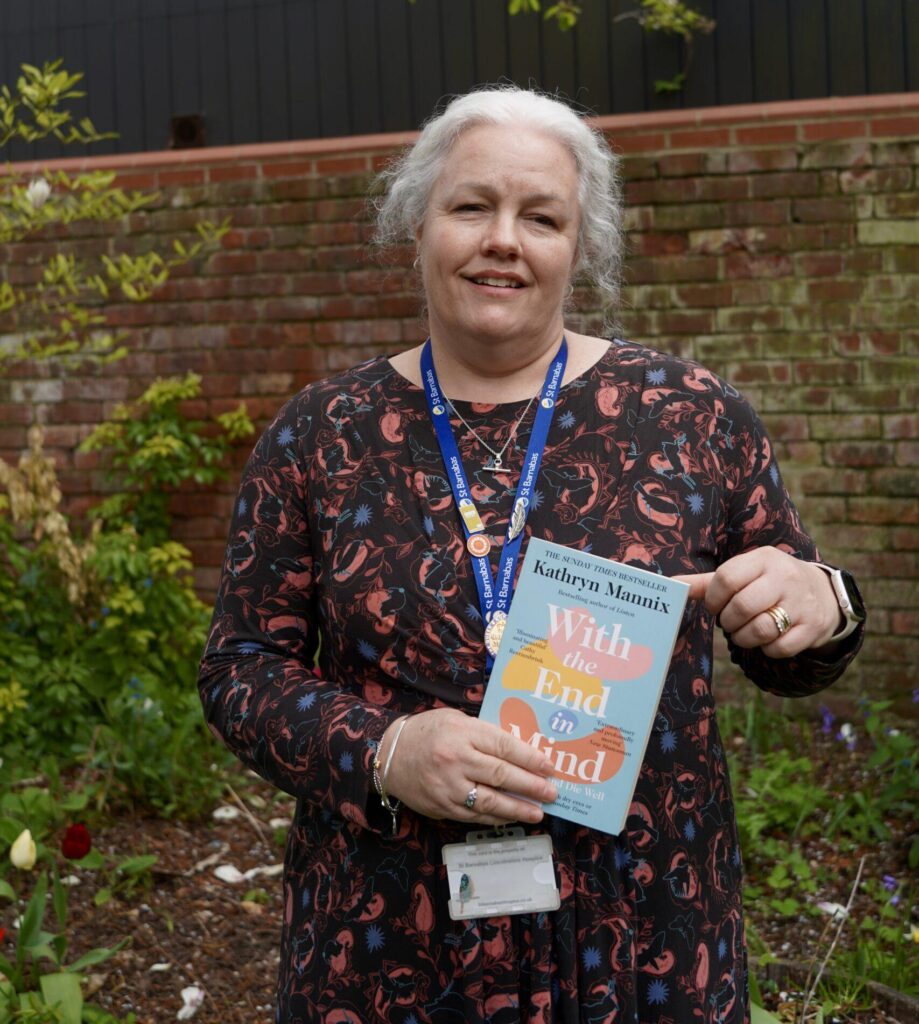
Someone who explains it really well is Kathryn Mannix. Her book, ‘With the End in Mind’, is perfect reading for anybody. It explains everything in a really friendly, open way.
To access St Barnabas support and find out more about our services, please visit: St Barnabas Hospice provides free end-of-life care